
Not all pain treatments work in the same way, and the technology behind them deserves a closer look. As interest in non-invasive therapies grows, pulsed electromagnetic field therapy is attracting attention for its potential role in musculoskeletal care. Yet the real conversation should go beyond the equipment itself. The type of signal, treatment settings, application, and individual health needs all influence how this technology is used.
Often described as electromagnetic pulse therapy, PEMF uses controlled electromagnetic energy delivered in short bursts. Although the concept may sound complex, its purpose is straightforward: explore whether carefully applied electromagnetic fields can support the body's natural responses to discomfort and tissue recovery.
Why Does the Type of Electromagnetic Signal Matter?
PEMF devices are not interchangeable. They can differ in frequency, intensity, pulse duration, waveform, and the way electromagnetic energy is delivered. These technical differences matter because treatment protocols are designed around particular devices and intended applications.
For instance, a system developed for localized joint discomfort may use different settings from equipment designed for another therapeutic purpose. This is one reason patients should not assume that every device advertised under the same treatment category produces identical results.
The treatment itself also involves more than switching on a machine. Selecting the appropriate application requires attention to the patient's condition, the targeted area, and the manufacturer's treatment guidelines.
What Has Clinical Research Discovered About PEMF?
Scientific interest in electromagnetic treatments continues to develop. A 2025 multicenter randomized clinical trial published in Pain and Therapy examined a specific non-invasive PEMF system among 120 patients experiencing joint or soft-tissue pain across five orthopedic clinics.
Among the 91 participants with complete pain-score data, the treatment group recorded an average 36% reduction in pain scores over 14 days, compared with 10% in the standard-care group. Medication use also declined more in the PEMF group during the study period.
These findings provide an encouraging research signal, but they should be interpreted carefully. The trial examined a particular device and treatment protocol, was not blinded, and included a combination of PEMF and heat therapy. Its results cannot automatically be applied to every electromagnetic treatment system or medical condition.
How Can Treatment Be Matched to an Individual?
A treatment approach should begin with the person, not the technology. Two individuals reporting similar pain may have very different underlying concerns. One may experience joint discomfort, while another may have muscular strain or a condition involving spinal structures.
A proper assessment helps determine whether electromagnetic therapy is an appropriate option. Relevant considerations include medical history, symptom patterns, previous injuries, current treatments, and the patient's daily physical demands.
Treatment goals also deserve attention. Some people want to improve movement during routine activities, while others are more concerned about recurring discomfort that interferes with sleep or exercise. These differences can influence how progress is evaluated.
What Should Patients Track During Treatment?
A pain rating provides useful information, but it does not tell the entire story. Changes in everyday function can offer another perspective on whether a treatment plan is meeting its intended goals.
For example, patients can record whether they experience fewer interruptions during routine activities, tolerate longer periods of movement, or find certain physical tasks easier to complete. Keeping a simple record of symptoms and activity levels can help the treating professional review progress.
Consistency in reporting is important. It allows the provider to compare changes over time rather than relying on a single good or difficult day.
Why Should PEMF Be Considered Alongside Other Therapies?
Musculoskeletal health involves several interconnected factors, including joint mobility, muscle strength, posture, and physical activity. A single therapeutic approach may not address every factor contributing to discomfort.
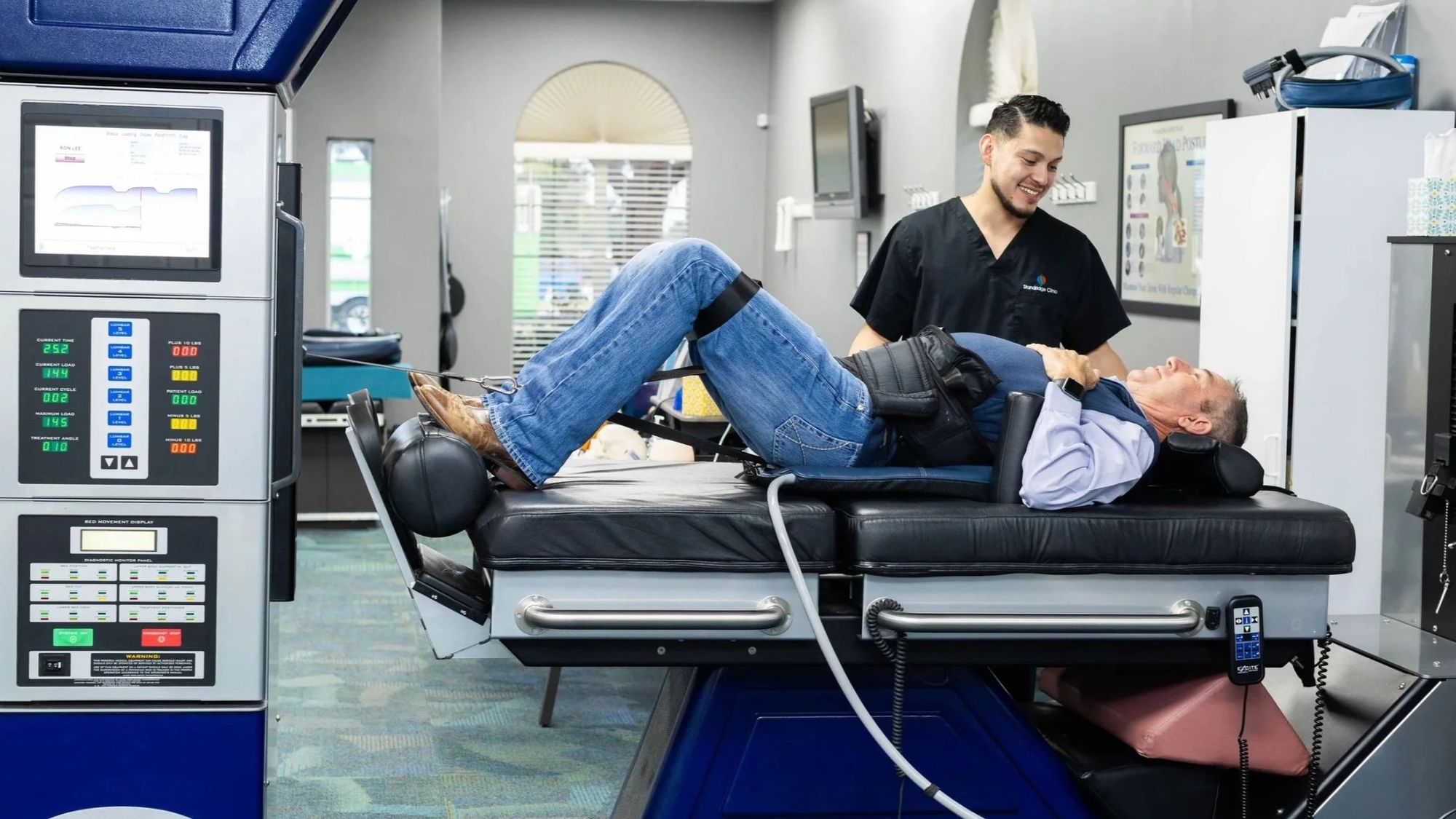
Depending on examination findings, a broader care plan may include chiropractic adjustments, spinal decompression, soft-tissue techniques, or structured rehabilitation. Each approach serves a different purpose, and its inclusion should depend on individual needs.
Patients should also discuss implanted electronic devices, pregnancy, and existing medical conditions before treatment. Certain circumstances may require additional precautions or make a particular device unsuitable.
Taking a More Informed View of Electromagnetic Care
New technology can expand the options available in conservative pain management, but sound treatment decisions still depend on clinical judgment and realistic expectations. Understanding the differences between devices, examining the available research, and tracking functional changes can help patients participate more confidently in their care.
At Standridge Clinic in Owasso, Oklahoma, PEMF therapy is offered alongside chiropractic adjustments, DRX9000 spinal decompression, Digital Motion X-Ray, and rehabilitation services. This combination gives patients different approaches to discuss when exploring treatment for musculoskeletal concerns. Those considering pulsed electromagnetic field therapy or electromagnetic pulse therapy can contact Standridge Clinic to learn more about the available treatment options and whether an evaluation may be appropriate for their needs.